
Lake Tahoe Health Food Restaurants are Top-Notch
Coagulated soybean extract? It sounds gross,... Read Article

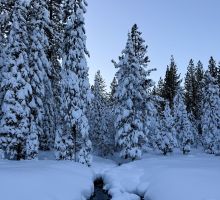
With fresh snow on the mountains, cooler temperatures and a forecast for more snow, the Tahoe-Truckee region is preparing for the winter season. Winter brings stunning snow-covered landscapes, ski days and the magic of the holidays and new year. It also brings various challenges, including harsh weather and conditions, traffic delays, road closures and power outages.
I’m here to help you prepare for the upcoming winter forecasts, navigate the season with confidence and enjoy it to the fullest. A little preparation goes a long way!
Consider this your guide to surviving and thriving through the winter season in Tahoe-Truckee.
Photo: Winter in Tahoe-Truckee is magical. Be prepared to enjoy it fully! Photo credit: Kirsten Alexis
One of the most important elements you don’t want to overlook is your car. Driving in the Tahoe-Truckee region requires preparation, especially when faced with snow, ice and freezing temperatures.
Before it’s officially winter, make sure you schedule an inspection and have your car completely winterized to tackle unpredictable conditions safely.
I made you a checklist to ensure you’re all set up:
Check your tires: First, make sure your tires are appropriate for winter. If not, you need to get new ones for the winter so you have solid traction. Check your tire tread depth, pressure and overall condition.
Battery: Get your battery inspected and tested. Cold temperatures tend to reduce battery performance, especially with older models.
Brakes: Inspect your brakes, rotors and brake fluid.
Antifreeze/Coolant: Check your current coolant levels and make sure it provides adequate protection against freezing temperatures.
Windshield wipers: Replace your worn blades and use winter-rated windshield washer fluid.
Heating and defrost systems: Make sure your heater and front and rear defrosters are functioning properly.
Belts and hoses: Check for signs of wear-and-tear, cracks or leaks.
Lights: Inspect headlights, brake lights and turn signals to ensure you have proper visibility during storms and shorter winter days.
Chains and road flares: Have chains and road flares in case you encounter snowy and icy conditions or need flares in case of emergency.
Emergency kit: Make sure you have an emergency kit in case of an accident or delay in traffic due to snow. This should include water, non-perishable snacks, blankets, layers, a flashlight or headlamp, gloves, batteries, chargers, a shovel and a first aid kit.
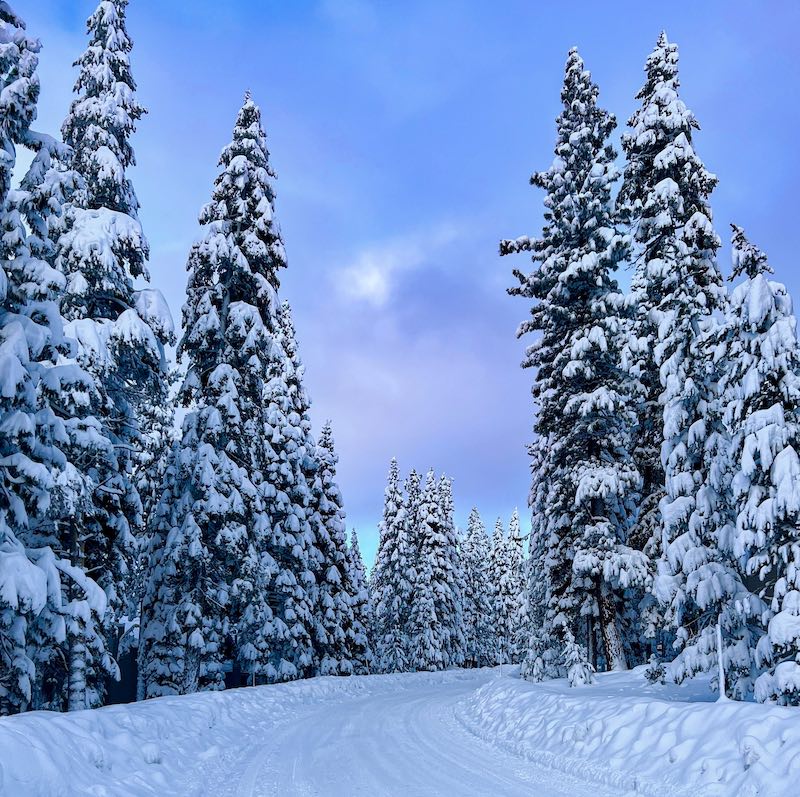
Would you know how to navigate snowy or icy roads like these? Photo credit: Kirsten Alexis
Winter driving is part of everyday mountain life here in Tahoe-Truckee, and the conditions can change quickly and without notice. A sunny morning can turn into a full-blown snowstorm by afternoon. If you’re unprepared, it could be miserable.
Before heading out on the road, check the road conditions, chain control locations and future weather forecasts.
Always allow extra time to travel, especially during weekends and holidays. Carry chains, keep your gas tank full and make sure to drive with extra caution. This means keeping a larger following distance and avoiding sudden braking or acceleration.
For real-time road conditions, hazards, closures and chain controls, look at CalTrans. They also have helpful tips on their site to help you prepare or navigate tough situations.
Properties in the Tahoe-Truckee region experience unique challenges during winter, including heavy snow accumulation, freezing temperatures, frozen pipes, heating failures, potential plumbing issues and power outages.
Here’s your property checklist:
Roof and gutters: Inspect your roof for damaged or missing shingle and potential leaks. Clean gutters and downspouts to remove debris. The best way to do this safely is to hire a professional to come out and assess potential concerns.
Heating and plumbing: Have your home inspected by a professional, and check heating systems, furnace filters, potential exposed pipes and plumbing leaks. Disconnect exterior hoses.
Windows, doors and insulation: Inspect windows and doors for potential drafts and seals. If you have an attic, make sure the insulation is in proper condition.
Fireplace and safety: Have your fireplace and chimney professionally inspected and cleaned. Make sure smoke and carbon monoxide detectors.
Outdoor preparation: Arrange for snow removal services for driveways and walkways and keep your shovels and snow-blowers out. Put away or cover all outdoor furniture.
Major storms can bring heavy snowfall, high winds and hazards such as falling trees and power lines, leading to power outages. Although most of the time these get resolved easily and relatively quickly, it’s worth being prepared just in case they go longer.
Having emergency plans and supplies to get you through at least 7 to 10 days can make a big difference and give you peace of mind.
Your home emergency preparation checklist:
Flashlights, headlamps and spare batteries
Camping stove
Candles and matches
Portable power banks and charging cables for mobile devices
Battery-powered radio
Drinking water and nonperishable food (for at least 7 to 10 days)
First-aid supplies and extra essential medications
Warm blankets, extra layers and handwarmers
Backup heating options designed for indoor use
Emergency contact information
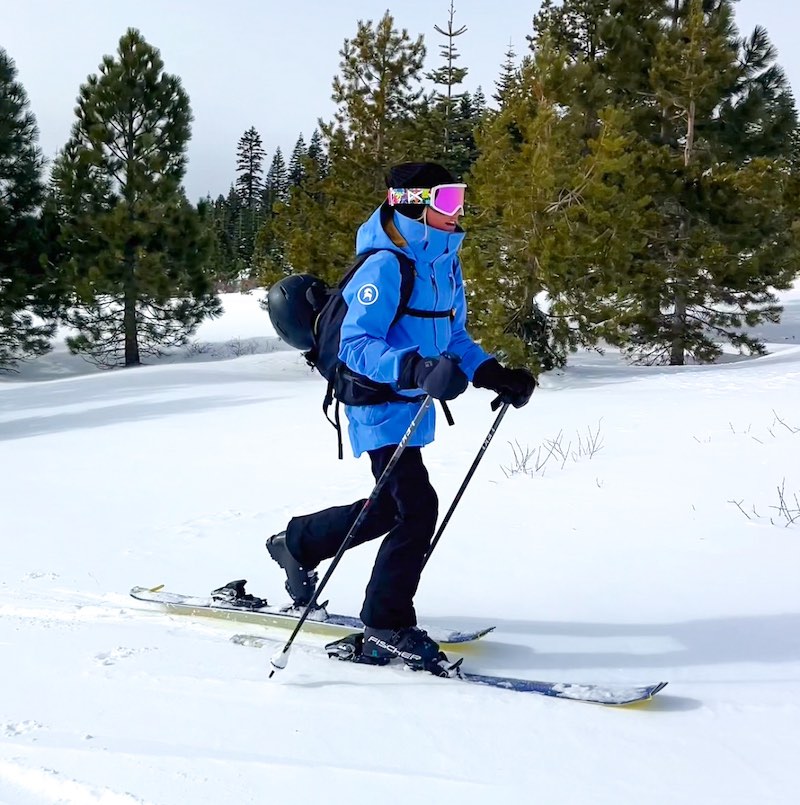
Proper layers make all the difference! Photo credit: Kirsten Alexis
One of the best things about winter in Tahoe is the abundant sunshine and bluebird days. But don't let sunshine fool you! Temperatures can fluctuate dramatically throughout the day and often bring cold winds.
The secret to staying comfortable is knowing how to properly layer your clothes.
Base layer: Moisture-wicking fabrics to keep you dry, especially when you’re on the slopes.
Mid layer: Fleece, wool or an insulated layer for extra warmth.
Outer layer: A waterproof and wind-resistant jacket makes all the difference.
Accessories: Warm and waterproof gloves, a beanie or headband, wool socks and insulated boots. Make sure your boots have good tread so you don’t slip!
Whether you're skiing, snowshoeing or exploring charming downtown storefronts, you'll be glad you dressed properly for the elements.
 Kirsten is an outdoor adventure enthusiast, writer and photographer. You can typically find her hiking, paddleboarding, cross-country skiing and checking out new spots to share in the Tahoe Donner region. She has been lucky to call Tahoe her second home since she was a child and aims to inspire people to experience Tahoe and fall in love with the beauty and adventurous spirit of the region through her blogs and content.




The Village at Palisades Tahoe • Olympic Valley
Sunday, May 23rd 11:00 am
View All Events!
 Save time and save money! Enjoy 5% off all Online Bookings ahead of time by using promo code 26VTB5%. We can't wait to get...

