

Lake Tahoe Camping is Great for RVs, Families
Whether you prefer a simple Lake Tahoe campground... Read Article
Lake Tahoe’s vibrant crystal-clear waters have captivated visitors to the region for generations, but beneath the surface lies a rich maritime history that helped shape and define the community and draw to the lake. Before luxurious lakefront homes, bustling casinos, marinas, sightseeing sunset cruises and summer boat rentals and recreation, there was a time where Lake Tahoe was a summertime hub for the Washoe Tribe, who used canoes and rafts to fish and travel across the waters. Through generations, Lake Tahoe has seen rapid advancements from steamers, sailboats and modern sightseeing watercraft.
From fishing to logging during the Gold Rush to a boom in tourism, Tahoe’s storied maritime history has shaped the way we interact with the waters today. With conservation and sustainability at the modern-day forefront, it’s up to us to seamlessly blend tourism, transportation and environmentalism to preserve our favorite lake for generations to come.
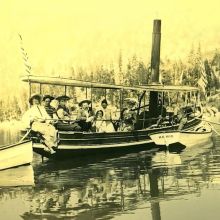
Above: The Steamer Mamie ferrying passengers in the late nineteenth century. Photo Credit: Tallac Historic Site
Before Lake Tahoe was discovered by settlers, the Washoe were the only inhabitants of the region. Every summer, as the weather drastically rose, the Washoe journeyed from the Carson region to Lake Tahoe for recreation, fishing, hunting, basketry and enjoyment of the sacred land. The Washoe regarded Lake Tahoe as a place that deserved respect, which has been passed down to current local tribe members and leaders today, who advocate for sustainable tourism education and practices.
The early Washoe people utilized simple yet sturdy dugout canoes and rafts for fishing and traveling to different regions around the lake. 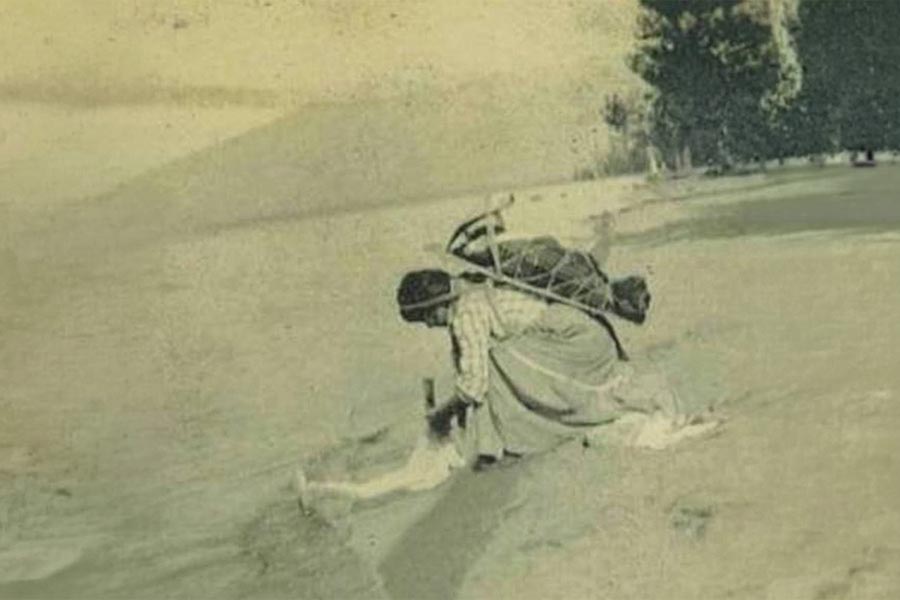
The Washoe Tribe of California and Nevada were the original stewards of the Lake Tahoe region. Photo Credit: DáɁaw Center, Facebook
After the Gold Rush, steamships were introduced to the Tahoe region as its timber resources were recognized. During the 1860s, the shoreline had logging camps that supplied lumber to Nevada, which saw a spike in silver mining and the need for construction and development.
Transportation on Lake Tahoe was the quickest and most efficient form of travel, as there were few developed roads in the region. Alongside steamboats, sailboats and rowboats transported lumber, livestock, mail, packages, workers and passengers for supply delivery, communication and construction.
In 1872, the Governor Stanford, named after Leland Stanford, a director of the Central Pacific Railroad and former Governor of California, was launched exclusively for tourism transportation and sightseeing between Tahoe City, Emerald Bay and South Lake Tahoe. This served as a symbol and spark for tourism and travel in the region.
In 1896 the S.S. Tahoe launched as the largest steamer in Lake Tahoe. Known as The Queen of the Lake, this meticulously crafted ship featured luxurious accommodations for passengers, electricity and speed at 25 miles per hour. This set the tone and inspired design and construction for sightseeing and luxury cruises.
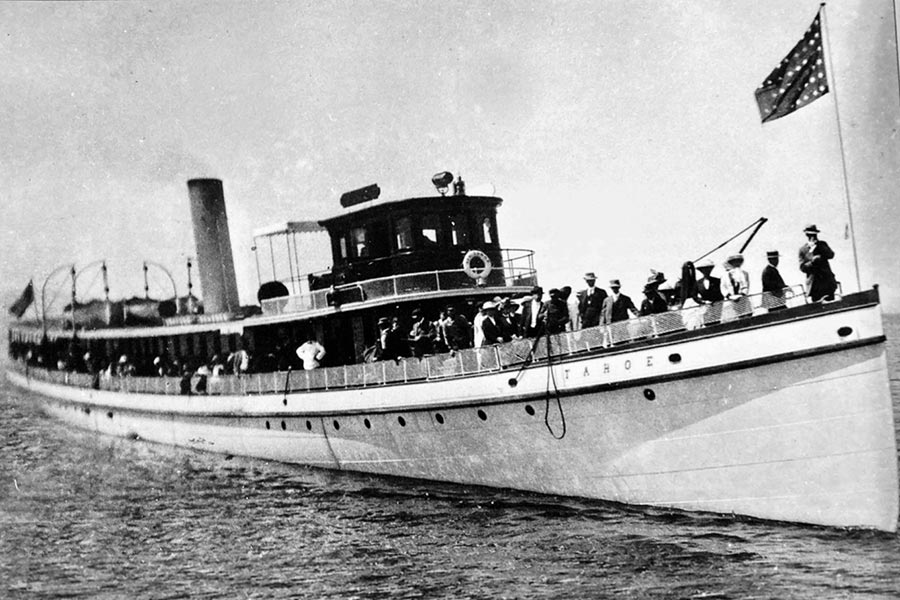
Ships like the S.S. Tahoe (above) were used for transportation and eventually tourism, which inspired the rise in today's watercraft industry. Photo Credit: Great Basin Institute
By the early decades of the twentieth century, tourism boomed while commercial transportation declined, offering a chance for recreational maritime businesses and events to thrive. Highways and roads were constructed around the lake to offer quicker transportation, and automobiles soon replaced ships as the main mode of transportation.
As commercial steamboats were retired, wooden speedboats, recreational cruisers and passenger ships were introduced to the public, elevating the Tahoe lifestyle. Resorts built marinas, boat enthusiasts created showcases and events, and entrepreneurs built recreation and leisure boat rental and tourism companies.
Lake Tahoe evolved into a top tourist destination for boating and water recreation enthusiasts around the globe.
Today, the region’s maritime history is preserved in museums, restoration projects and events such as the Concours d’Elegance, a showcase of classic wooden boats every year at Homewood.
The next time you come to Lake Tahoe, I hope you take the opportunity to take out a boat for recreation, or go on a sightseeing tour to experience it for yourself.
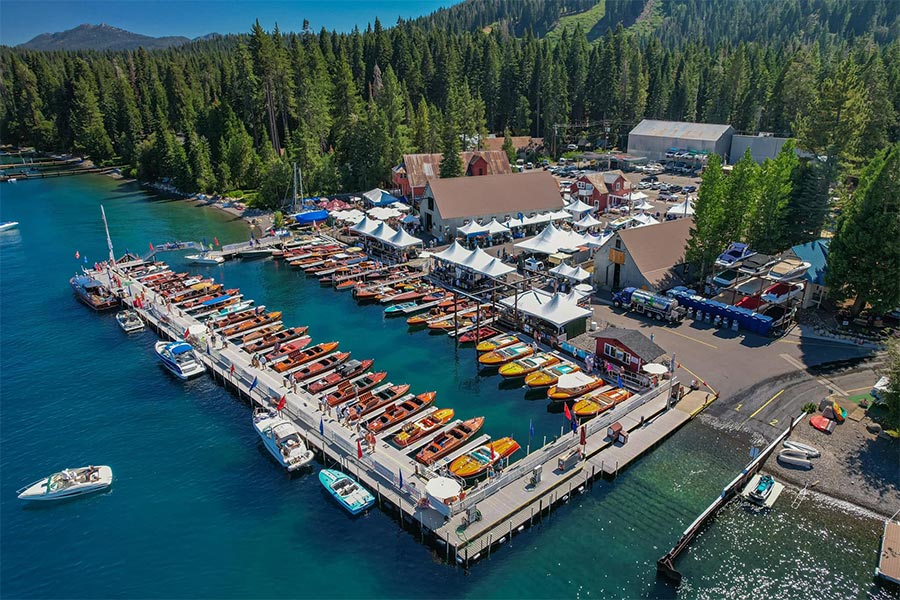
Classic boats have served as a status symbol for Tahoe recreation and craftsmanship. Photo Credit: Lake Tahoe Concours d’Elegance, Facebook
Sources:
https://taylortallac.org/the-washoe-tribe-guardians-of-lake-tahoe/
https://taylortallac.org/historic-boats-of-lake-tahoe/
https://washoetribe.us/aboutpage/4-Page-washoe-history
https://www.sierrasun.com/news/sierra-history-a-look-at-lake-tahoes-wonderful-wood-powered-steamship-past/
 Kirsten is an outdoor adventure enthusiast, writer and photographer. You can typically find her hiking, paddleboarding, cross-country skiing and checking out new spots to share in the Tahoe Donner region. She has been lucky to call Tahoe her second home since she was a child and aims to inspire people to experience Tahoe and fall in love with the beauty and adventurous spirit of the region through her blogs and content.


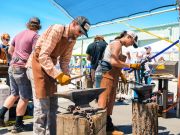
Truckee Roundhouse • Truckee
Sunday, June 6th 11:00 am - 5:00 pm
View All Events!
 Please call with information about your large group (typically 15 ppl or more). We are happy to talk about a discount.

